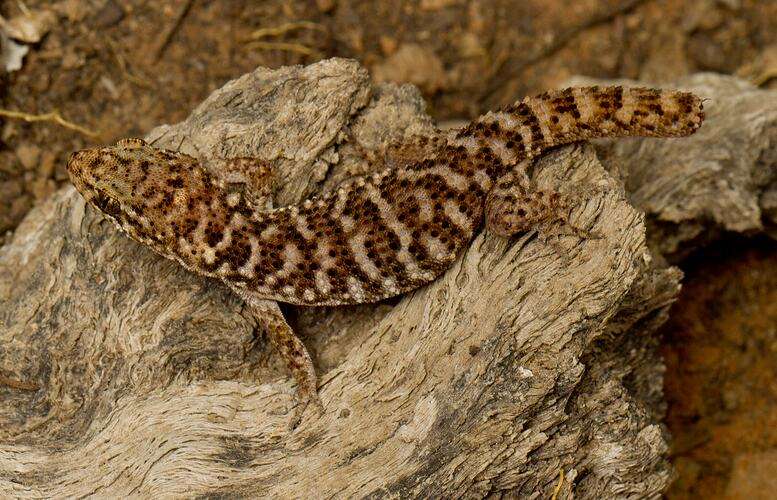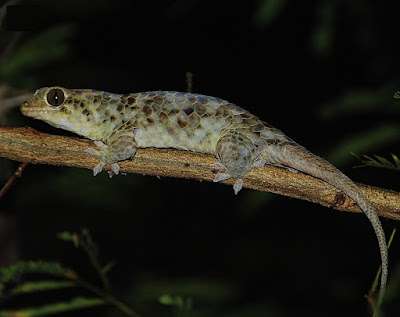

Description:
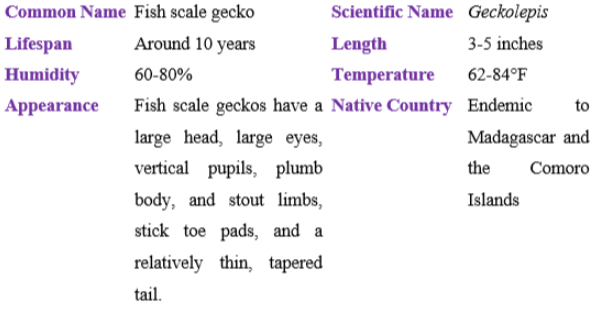
Scientific name: Geckolepis
Life span: Around 10 years
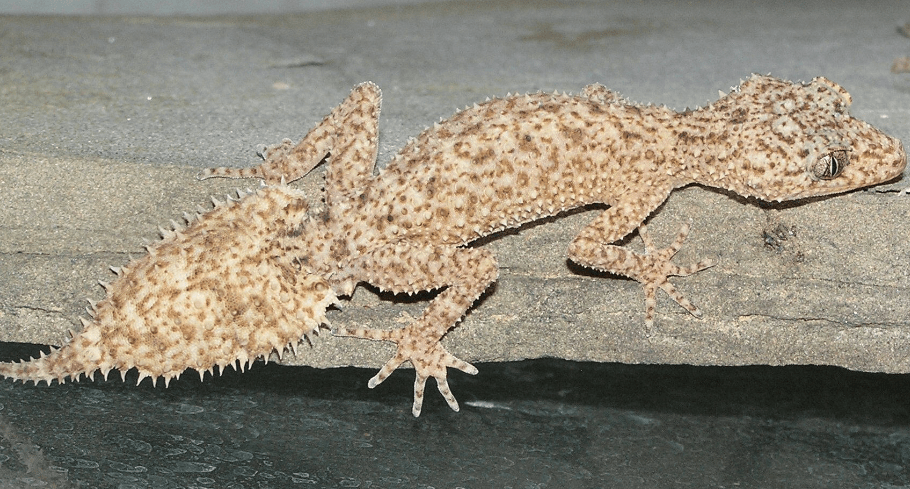
The scale gecko (G. maculata), which ranges in size from tiny to medium, has a gleaming rainbow sheen on its scales, which resemble those of a fish. The gecko is chestnut-cream in color with black stripes, has huge scales, and long legs. Its other names include fish-scale gecko and Peters's spotted gecko.
Native Region/Habitat
This type of gecko is frequently seen in Madagascar.
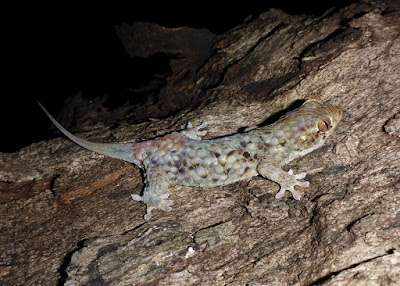
Behavior:
Although it has been said that fish scale geckos can be trained to behave nicely in captivity, it is better to avoid considering this species as a pet that can be handled frequently. Try hand feeding your gecko with a pair of feeding tweezers rather than handling it if you want to interact with it.
Care As a pet/In captivity:
- A single fish scale gecko requires a terrarium that is at least 12"L x 12"W x 18"H in size. Undoubtedly, bigger is better. It is not advised to keep many fish scale geckos in the same terrarium; doing so could lead to fights.
- By using a digital probe thermometer and placing the probe in the basking region, you can determine the low basking temperature for fish scale geckos, which should be between 80 and 84°F. The temperature within the enclosure should be between 68 and 76 degrees Fahrenheit, and at night it can get as cold as 62.
- Since fish scale geckos are a tropical species, its enclosure should typically have a humidity level of 60 to 80%. By using a digital probe hygrometer and placing the probe in the centre of the terrarium, humidity should be detected.
- As fish scale geckos are mostly insectivores, they must consume both plant-based and animal-based meals in order to maintain a healthy diet. They generally consume insects in the wild, along with occasional fruit and flower nectar. It's important to provide them with live insect feeders as pets in addition to a premium, specially made crested gecko food (CGD).
- Age affects how frequently fish scale geckos must eat: Adults - insects twice weekly, CCD once weekly; hatchlings and juveniles - insects daily, CGD twice weekly.
Table